

Vision handles "seeing and judging", control coordination handles "acting after judging", and data governance ensures "every judgement is logged". Only when they connect do you get industrial intelligence that can run on the line.
Replace "watch by human eye" steps with reproducible algorithmic judgement, and keep results alongside the images for review and traceability.

Image recognition and judgement for the line and field: defect detection, object localization, dimension and status reading. On-site imagery can be turned into target, dimension, defect and status data per project, logged with the images for easy review and traceability.
After vision judges, make the equipment actually move: connect recognition results to the control loop, coordinate timing and interaction among cameras, actuators and upstream/downstream equipment, reducing the gap of "visible but unchangeable", and turning vision results into inputs an automation system can consume.
For power, parks, water and engineering sites, turn manual walk-and-shoot inspection into replayable, reviewable data records.
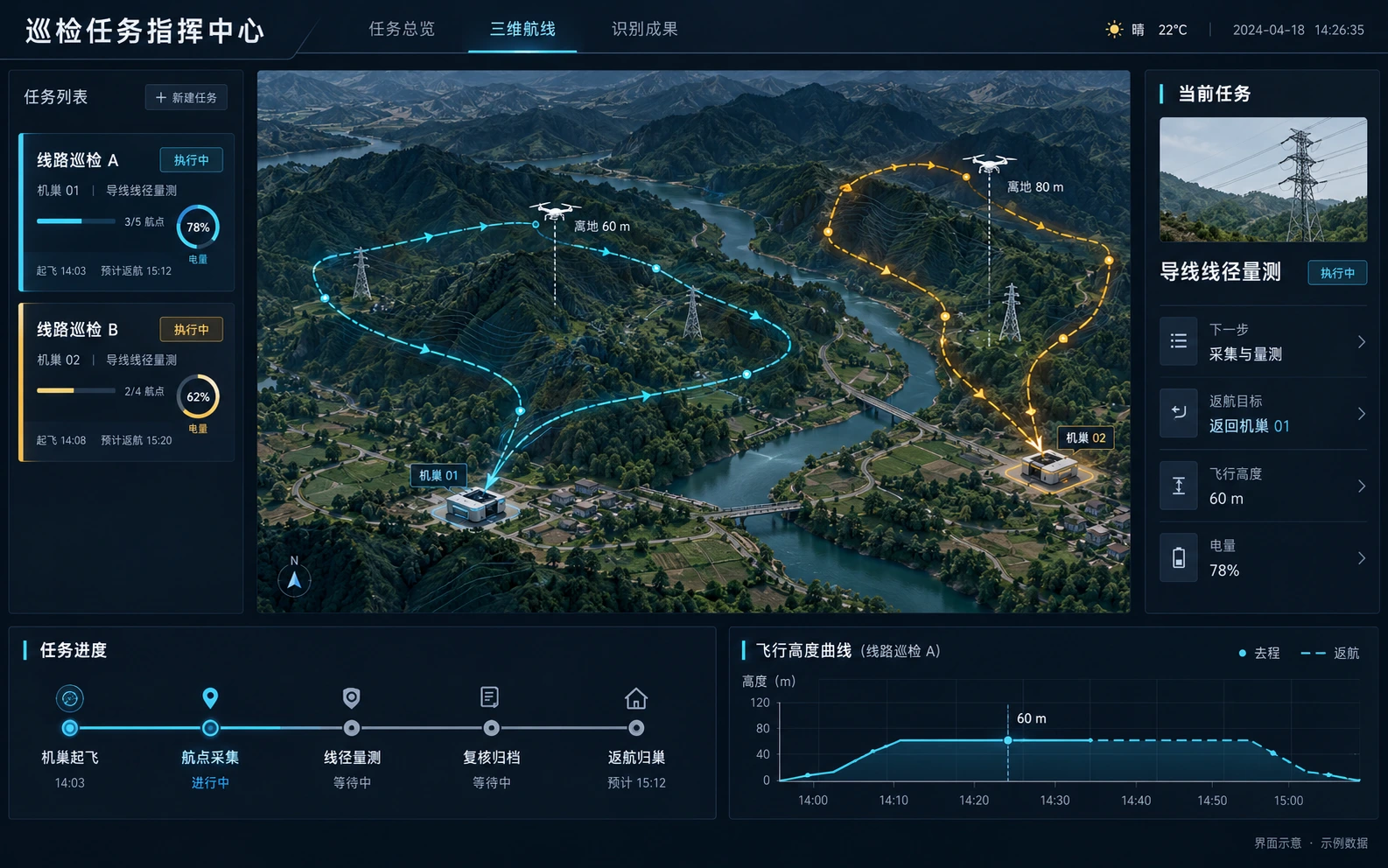
A UAV follows a route to capture imagery and location data of poles, pipelines, forest grids and other targets, automatically logging coordinates and altitude to form a replayable inspection track, reducing manual walking and transcription.
Combine visible-light, infrared or compatible gas-detection payloads to screen suspected issues like pipeline leaks, canopy disease and smoke/heat, auto-mark locations and push to reviewers, forming a "capture–analyze–alert–review" loop.
Bring in data from equipment, lines and business systems, unify the definitions, cleanse and align, and structure it into traceable data assets.
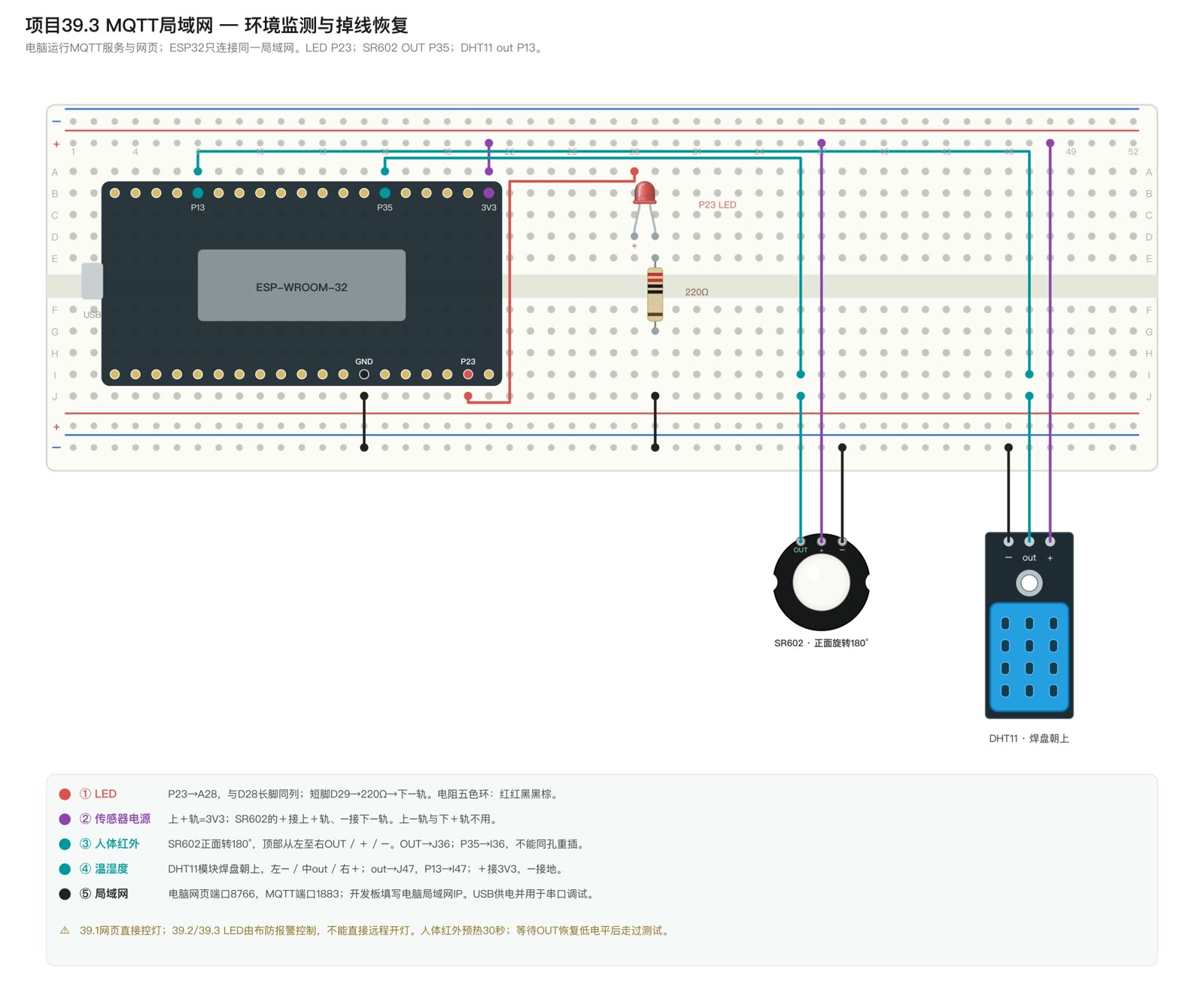
OT/IT data sources are ingested via collection and storage modeling, unifying the data definitions of equipment, lines, pipe networks, tunnels and stations, providing standardized data services upward.
Through quality governance, service publishing and platform architecture, messy data is governed into structured inputs that "serve data to business applications within authorized scope" — queryable, traceable and reusable, instead of staying locked in separate systems.
Ship a proven base out of the box, then layer industry-specific customization — delivering business systems that truly run, not just demos.
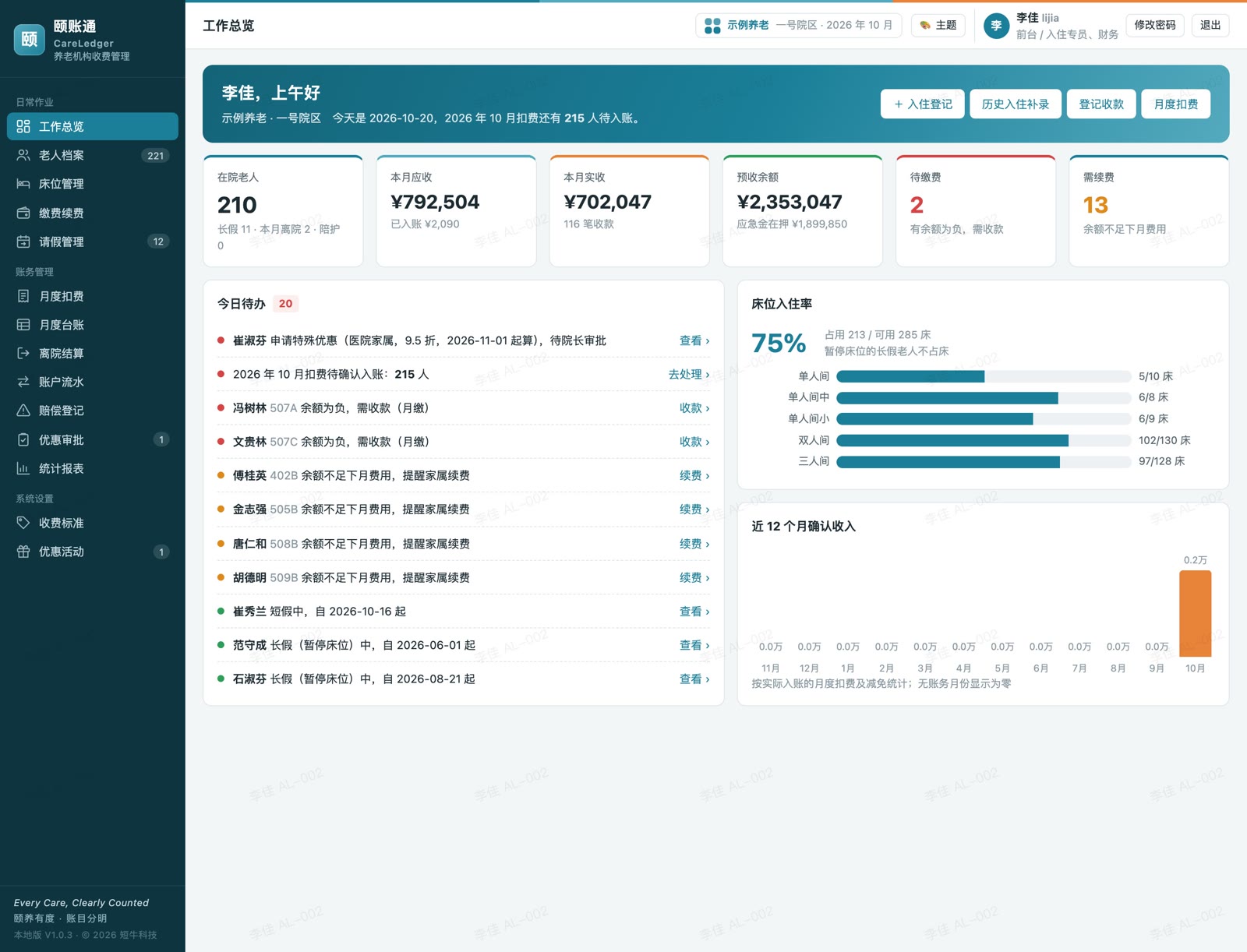
Eldercare billing management system: check-in, payment & renewal, leave & waiver, monthly deduction and discharge settlement, locally deployed.
Enterprise credit-repair pre-sales management system: risk aggregation, lead distribution, follow-up records, quotes and contract documents.
Custom Web · APP · mini-program · large-screen built around business processes, covering requirements analysis, interaction prototypes, iterative development and deployment migration.
The factory floor doesn't lack algorithm demos; it lacks solutions that still run stably under real lighting, real cadence and real interference.
So we care about three things: are site conditions factored in, can results be reviewed, and can problems be located fast. Solutions start from a specific station and specific action, not from a model looking for a scenario.
Explain the current state and goal; we can first judge feasibility, then discuss the path.